1 · Overview for General Readers
From Pattern Catalog to Full-Fledged Monthly Fashion Magazine
Between autumn 1948 (Plate 1) and summer 1949 (Plate 2), Elfriede Breuer’s Lahr publishing house underwent a decisive transformation. What had started as a seasonal pattern booklet (Effi Schnitte – Winter Katalog) with a painted cover and one pattern sheet became, in early 1949, a full monthly magazine titled Effi moden.
Issue Nr. 7 (July 1949) captures the bright optimism of the first summer after the founding of the Federal Republic of Germany (May 1949). Instead of an illustration, the cover features a sun-drenched color photograph of two young women in crisp checkered blouses and sweeping dark blue skirts beside an alpine or Black Forest lake. Yet behind this idyllic summer cover, a dramatic confrontation was unfolding in Offenburg and Lahr: within weeks of this issue’s appearance, Aenne Burda discovered that her husband Franz Burda had been financing his former secretary Elfriede Breuer’s magazine, forced Elfriede Breuer’s departure, and took over the company—turning Effi moden into Favorit (Plate 4, Nr. 10) in October 1949 and Burda Moden in January 1950. Because Effi moden only existed for the first nine issues of 1949 (Nr. 1 to Nr. 9), original copies are exceptionally scarce.
2 · Diplomatic Cover Transcription
Inscriptions, Brand Emblem & Pattern Callouts on Plate 2
Top Header Bar (Black Sans-Serif on White Strip)
Ihre praktische Modenzeitung – mit allen Modellen auf 2 Schnittbogen!
Upper Right Emblem (White Script & Italics inside Red Pinked Fabric Swatch)
Effi / moden [in white circle:] 7
Lower Left Overlay Caption (White Sans-Serif over Grass)
Effi-Modell K 423
Effi-Modell K 424 (Beschreibung Seite 2)
Bottom Imprint & Category Bar (White Text on Dark Band)
Mode · Wäsche · Handarbeiten · 1.20 D.M. zuzügl. Bestellg.
3 · Dating & Bibliographic Continuity
Why Issue Nr. 7 Dates Precisely to July 1949
The dating of Effi moden Nr. 7 to July 1949 is anchored by three interlocking bibliographic facts:
- The 1949 Monthly Sequence Leading to Nr. 10 (October 1949): Historical records of the Burda publishing house establish that Elfriede Breuer’s 1948 pattern firm was converted into the magazine Effi Moden in 1949, and that Aenne Burda’s takeover issue appeared on 1 October 1949 as favorit – Das Modenblatt (Früher Effi Moden) bearing the issue number Nr. 10 (Plate 4). Counting backward from Nr. 10 (October 1949) in a monthly sequence places Nr. 7 in July 1949 (followed by Nr. 8 in August and Nr. 9 in September 1949, the final issue under the name Effi moden).
- Graphic Continuity of the Pinked Swatch Logo: Compare the upper-right red emblem of Plate 2 (a tilted rectangle with serrated “pinked” fabric edges cut by pinking shears, Zackenschere) with the upper-left yellow emblem of Plate 4 (favorit): both use the exact same serrated fabric-swatch motif and the identical bottom promise “Alle Modelle auf 2 Schnittbogen!”
- Progression of the
K Pattern Sequence: In September 1948 (Plate 1), dress/combination patterns were numbered at K 297. Here in Issue Nr. 7, the cover models wear Effi-Modell K 423 and Effi-Modell K 424—an increment of 127 designs over ten months (~12–15 dress patterns per issue).
4 · Distribution, Pricing & Audience
Postal Subscription (Bestellgeld) and the Three-Pillar Content Formula
The bottom banner—Mode · Wäsche · Handarbeiten · 1.20 D.M. zuzügl. Bestellg.—reveals how Effi moden positioned itself in the competitive 1949 West German press market:
- Two Pattern Sheets instead of One: Expanding from one pattern sheet (in the 1.00 DM 1948 catalog) to two full pattern sheets justified the modest price increase to 1.20 DM and allowed every single garment illustrated in the magazine to be traced and sewn without ordering extra single patterns.
- Postal Newspaper Delivery (Postzeitungsdienst / Bestellgeld): The notation “zuzügl. Bestellg.” (plus delivery fee) indicates that a large share of the ~40,000–65,000 circulation was delivered directly to subscribers’ doors by the German postal service (Deutsche Post) or local reading-circle/bookstore couriers for a small monthly carrier fee (typically 6–15 Pfennig).
- Mode · Wäsche · Handarbeiten: By adding household linens/undergarments (Wäsche) and knitting/embroidery (Handarbeiten) to outer fashion (Mode), the magazine addressed the full spectrum of domestic textile production in post-war households, where bed linens, children’s underwear, and knitted goods were still predominantly made at home.
5 · Fashion Design & Garment Analysis
Gingham, Tartan, and the Pastoral 1949 “New Look”
Effi-Modell K 423
Standing Model (Upper Left): Wears a fitted black-and-white gingham check (Vichy-Karo) long-sleeved blouse with a dramatic black taffeta pussy-cat bow at the throat, cinched tightly at the waist into a voluminous, softly pleated dark navy skirt with a satin sheen.
Effi-Modell K 424
Seated Model (Center Foreground): Wears a bias-cut green-and-black plaid blouse featuring contrasting crisp white Peter Pan/pointed collar and white turn-back cuffs, accented with a matching bias plaid bow, paired with a wide circular/gored navy skirt spread across the meadow.
Design Significance: Both outfits demonstrate how German pattern designers adapted the high-fashion Parisian silhouette of 1948–1949 (small waist, accentuated bust and collar via bows, wide mid-calf skirt) to washable, durable cotton gingham and rayon-blend plaids suited for everyday summer wear.
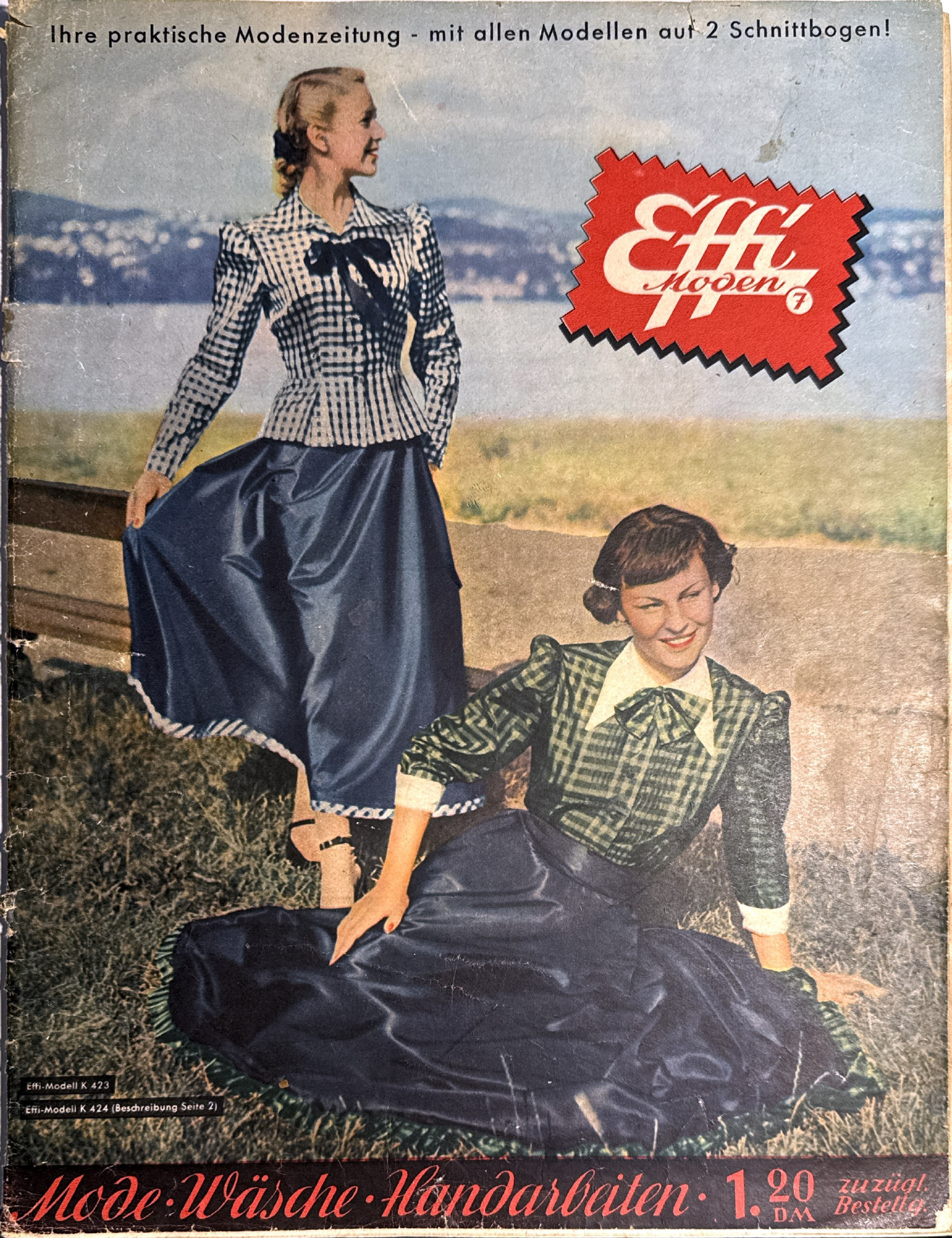
Plate 2 · Prehistory of Burda Moden (Stage II)
Effi moden — Heft Nr. 7
“Ihre praktische Modenzeitung – mit allen Modellen auf 2 Schnittbogen!” · Lahr (Baden), July 1949
1 · Overview for General Readers
From Pattern Catalog to Full-Fledged Monthly Fashion Magazine
Between autumn 1948 (Plate 1) and summer 1949 (Plate 2), Elfriede Breuer’s Lahr publishing house underwent a decisive transformation. What had started as a seasonal pattern booklet (Effi Schnitte – Winter Katalog) with a painted cover and one pattern sheet became, in early 1949, a full monthly magazine titled Effi moden.
Issue Nr. 7 (July 1949) captures the bright optimism of the first summer after the founding of the Federal Republic of Germany (May 1949). Instead of an illustration, the cover features a sun-drenched color photograph of two young women in crisp checkered blouses and sweeping dark blue skirts beside an alpine or Black Forest lake. Yet behind this idyllic summer cover, a dramatic confrontation was unfolding in Offenburg and Lahr: within weeks of this issue’s appearance, Aenne Burda discovered that her husband Franz Burda had been financing his former secretary Elfriede Breuer’s magazine, forced Elfriede Breuer’s departure, and took over the company—turning Effi moden into Favorit (Plate 4, Nr. 10) in October 1949 and Burda Moden in January 1950. Because Effi moden only existed for the first nine issues of 1949 (Nr. 1 to Nr. 9), original copies are exceptionally scarce.
2 · Diplomatic Cover Transcription
Inscriptions, Brand Emblem & Pattern Callouts on Plate 2
Effi-Modell K 424 (Beschreibung Seite 2) Bottom Imprint & Category Bar (White Text on Dark Band) Mode · Wäsche · Handarbeiten · 1.20 D.M. zuzügl. Bestellg.
3 · Dating & Bibliographic Continuity
Why Issue Nr. 7 Dates Precisely to July 1949
The dating of Effi moden Nr. 7 to July 1949 is anchored by three interlocking bibliographic facts:
KPattern Sequence: In September 1948 (Plate 1), dress/combination patterns were numbered atK 297. Here in Issue Nr. 7, the cover models wearEffi-Modell K 423andEffi-Modell K 424—an increment of 127 designs over ten months (~12–15 dress patterns per issue).4 · Distribution, Pricing & Audience
Postal Subscription (Bestellgeld) and the Three-Pillar Content Formula
The bottom banner—
Mode · Wäsche · Handarbeiten · 1.20 D.M. zuzügl. Bestellg.—reveals how Effi moden positioned itself in the competitive 1949 West German press market:5 · Fashion Design & Garment Analysis
Gingham, Tartan, and the Pastoral 1949 “New Look”
Effi-Modell K 423Standing Model (Upper Left): Wears a fitted black-and-white gingham check (Vichy-Karo) long-sleeved blouse with a dramatic black taffeta pussy-cat bow at the throat, cinched tightly at the waist into a voluminous, softly pleated dark navy skirt with a satin sheen.
Effi-Modell K 424Seated Model (Center Foreground): Wears a bias-cut green-and-black plaid blouse featuring contrasting crisp white Peter Pan/pointed collar and white turn-back cuffs, accented with a matching bias plaid bow, paired with a wide circular/gored navy skirt spread across the meadow.
Design Significance: Both outfits demonstrate how German pattern designers adapted the high-fashion Parisian silhouette of 1948–1949 (small waist, accentuated bust and collar via bows, wide mid-calf skirt) to washable, durable cotton gingham and rayon-blend plaids suited for everyday summer wear.