1 · Overview for General Readers
Leipzig’s Publishing Heritage and the GDR’s Most Coveted Quarterly
First published in November 1945 as Guter Rat für heute und morgen, Guter Rat is one of the longest-running magazines in modern German press history—and the only major GDR consumer title to survive reunification into the 21st century. Yet in the 1940s and 1950s, it looked very different from the pure consumer-test magazine it became after 1967: until 1962, Guter Rat für heute und morgen was first and foremost a quarterly fashion, home-sewing, and household lifestyle magazine complete with a large fold-out sewing pattern sheet (mit Schnittmusterbogen).
This cover from Spring 1959 (Bestellnr. 587) shows a young woman in a vibrant coral-red V-neck pullover and muted blue skirt carrying a cylindrical woven bast shoulder bag and a polka-dot kerchief against the unmistakable backdrop of Leipzig’s Neues Rathaus—the proud civic symbol of the trade-fair and publishing metropolis. With an average print run of 768,500 copies, the magazine reached millions of East German readers, yet copies sold out instantly at newsstands and were frequently reserved under the counter (Bückware) for regular customers.
2 · Diplomatic Cover Transcription
Inscriptions & Imprint on Plate 3
Top Header Strip (Three-Column Sans-Serif Header)
BESTELLNR. 587 | mit Schnittmusterbogen | PREIS DM 1.25
Upper Left Masthead (Black Brush Script + Sans-Serif Subtitles)
Guter Rat
FÜR HEUTE
UND
MORGEN
FRÜHJAHR
Bottom Imprint Banner (White Sans-Serif Capitals on Solid Black Bar)
VERLAG FÜR DIE FRAU · LEIPZIG
3 · Dating & Bibliographic Proof
Pinpointing Unnumbered Seasonal Issues via the Leipzig Bestellnummer
Unlike Western monthly magazines that printed the calendar year on the cover, 1950s seasonal issues of Guter Rat für heute und morgen printed only the season (here: FRÜHJAHR) and a sequential publisher’s order number (BESTELLNR. 587) used by the East German Postzeitungsvertrieb and book trade. We can date Bestellnr. 587 with complete certainty to Spring 1959 through two independent bibliographic checks:
- Direct Adjacency to Bestellnr. 586 (Winter 1958): Antiquarian and library holdings of the Leipzig Verlag für die Frau series record the immediately preceding number, Heft / Bestellnr. 586 mit Schnittmusterbogen, as the Winter 1958 issue (26 pages, format 29 × 22.5 cm). As a quarterly publication (Vierteljahreszeitschrift), the issue directly following
586 (Winter 1958) is Bestellnr. 587 = Spring (Frühjahr) 1959.
- The same sequence inside this scan (Plate 6, Bestellnr. 584): Plate 6 prints
SOMMER and BESTELLNR. 584. Two quarterly steps before Winter 1958 is Sommer 1958, and three steps before this Frühjahr issue. The number not present here, 585, is Herbst 1958.
- Series Boundary (1946–1962 Pattern-Sheet Era & DM Currency): In the Verlag für die Frau catalog, Guter Rat included a Schnittmusterbogen only up to and including the 1962 volume (where Autumn 1960 is
Heft 653, Winter 1960 is 654, Autumn 1961 is 657, Winter 1961 is 658, Autumn 1962 is 661, and Winter 1962 is 662). Moreover, the GDR currency was officially abbreviated DM (Deutsche Mark der Deutschen Notenbank) until 31 July 1964 (when it became MDN and later M).
4 · Historical Background, Distribution & Audience
From Verlag Otto Beyer (1890) to Verlag für die Frau (1946)
Expropriation and Continuity of Expertise
To understand the high technical quality of East German pattern magazines, one must look to Leipzig’s pre-war publishing history. Founded in 1890 by Otto Beyer, the Verlag Otto Beyer in Leipzig had been Germany’s premier publisher of women’s, needlework, and pattern magazines (including Beyers Mode für Alle and Beyers Monatsblatt für Handarbeit und Wäsche). Following the Saxon referendum on the expropriation of war and Nazi criminals on 30 June 1946, the Leipzig headquarters was expropriated and reconstituted the very next day—1 July 1946—as the municipal, later state-owned Verlag für die Frau, Leipzig (integrated from 1948 into VVB Druck und Verlag). While the Beyer family re-established a West German Beyer-Verlag in Wiesbaden (eventually acquired by Aenne Burda in 1963), the Leipzig plant, pattern drafters, and editorial staff remained in place at Verlag für die Frau.
Circulation Size (768,500 Copies) and the Economics of Scarcity
In the GDR press system, Verlag für die Frau held a virtual monopoly on women’s and fashion periodicals (publishing Die Frau von heute, Praktische Mode / Pramo, Sybille, and Guter Rat). Guter Rat achieved a remarkable average quarterly print run of ca. 768,500 copies at a state-fixed cover price of 1.25 DM. Because each copy passed through multiple households, reading circles, and sewing groups, actual readership exceeded two million per issue.
5 · Fashion Design & Visual Iconography
Late-1950s “Socialist Modernity” and Everyday Chic
Compared with the formal studio elegance of 1949 (Plate 4) or the salon illustration of mid-1950s Berlin (Plate 5), the Spring 1959 cover of Guter Rat exemplifies the fresh, youthful, practical aesthetic promoted in the late-1950s GDR:
- Color & Knitwear: A bright coral-red fine-knit pullover with a mitred V-neckline paired with a cornflower-blue A-line skirt—separates that could be knitted and sewn at home using readily available yarns and cellulosic/blended suiting fabrics.
- Accessories as Style Multipliers: In a consumer economy where basic garments had to last several seasons, accessories carried the seasonal fashion message: a cylindrical hand-woven straw/bast shoulder bag with dark cord handles and a crisp white cotton kerchief printed with red polka dots and a royal-blue border.
- Civic Architecture as Stage: Posing the model outdoors before the neo-Gothic tower and gables of Leipzig’s Neues Rathaus anchors the fashion in the real urban public sphere of the working woman rather than an artificial studio salon.
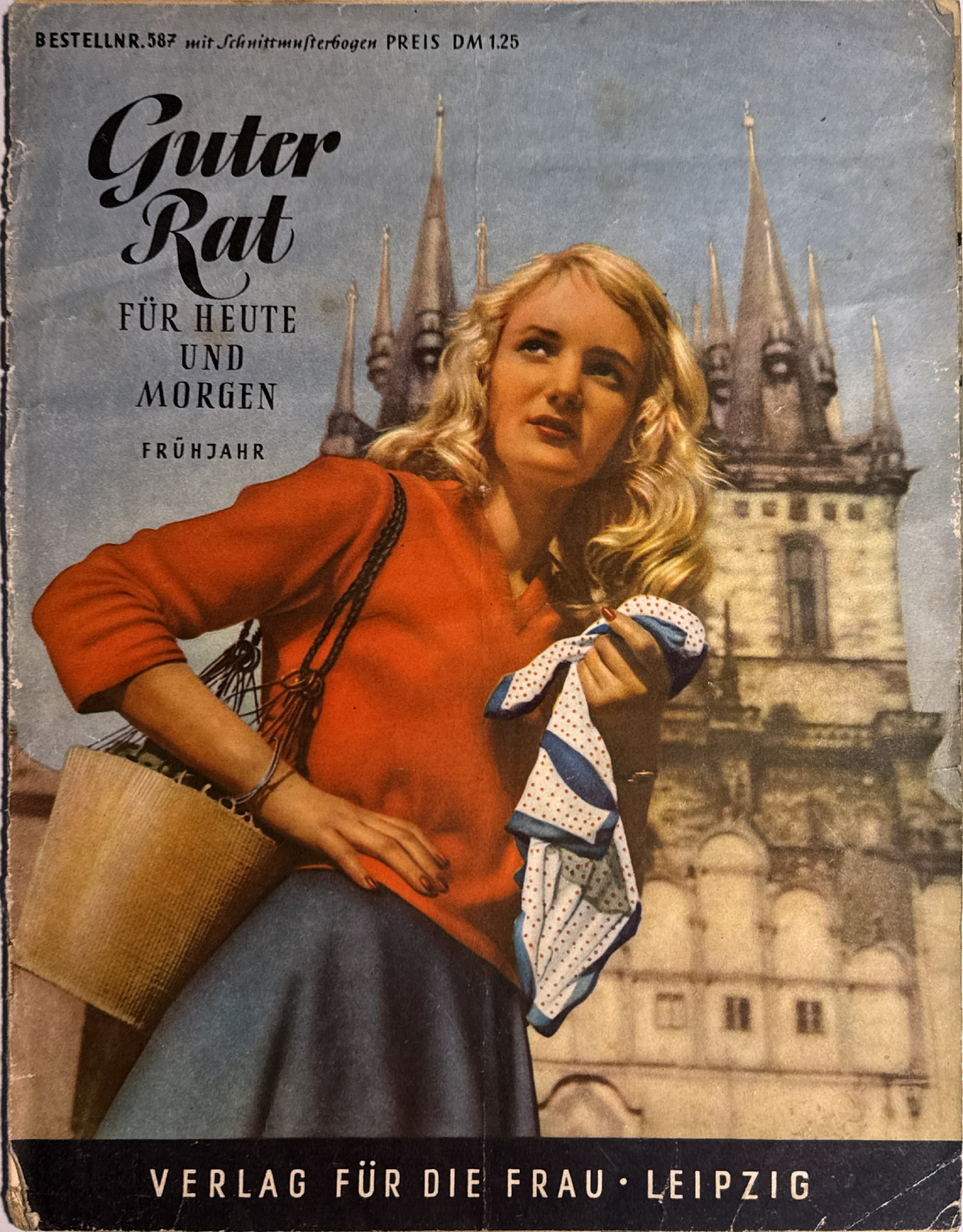
Plate 3 · East German Mass Fashion & Consumer Culture (GDR)
Guter Rat für heute und morgen
FRÜHJAHR · Bestellnr. 587 · mit Schnittmusterbogen · Verlag für die Frau, Leipzig (Spring 1959)
Bestellnr. 586= Winter 1958 (26 pp., 29 × 22.5 cm, Verlag für die Frau, Leipzig).1 · Overview for General Readers
Leipzig’s Publishing Heritage and the GDR’s Most Coveted Quarterly
First published in November 1945 as Guter Rat für heute und morgen, Guter Rat is one of the longest-running magazines in modern German press history—and the only major GDR consumer title to survive reunification into the 21st century. Yet in the 1940s and 1950s, it looked very different from the pure consumer-test magazine it became after 1967: until 1962, Guter Rat für heute und morgen was first and foremost a quarterly fashion, home-sewing, and household lifestyle magazine complete with a large fold-out sewing pattern sheet (mit Schnittmusterbogen).
This cover from Spring 1959 (Bestellnr. 587) shows a young woman in a vibrant coral-red V-neck pullover and muted blue skirt carrying a cylindrical woven bast shoulder bag and a polka-dot kerchief against the unmistakable backdrop of Leipzig’s Neues Rathaus—the proud civic symbol of the trade-fair and publishing metropolis. With an average print run of 768,500 copies, the magazine reached millions of East German readers, yet copies sold out instantly at newsstands and were frequently reserved under the counter (Bückware) for regular customers.
2 · Diplomatic Cover Transcription
Inscriptions & Imprint on Plate 3
FÜR HEUTE
UND
MORGEN
FRÜHJAHR Bottom Imprint Banner (White Sans-Serif Capitals on Solid Black Bar) VERLAG FÜR DIE FRAU · LEIPZIG
3 · Dating & Bibliographic Proof
Pinpointing Unnumbered Seasonal Issues via the Leipzig Bestellnummer
Unlike Western monthly magazines that printed the calendar year on the cover, 1950s seasonal issues of Guter Rat für heute und morgen printed only the season (here:
FRÜHJAHR) and a sequential publisher’s order number (BESTELLNR. 587) used by the East German Postzeitungsvertrieb and book trade. We can dateBestellnr. 587with complete certainty to Spring 1959 through two independent bibliographic checks:586(Winter 1958) isBestellnr. 587= Spring (Frühjahr) 1959.SOMMERandBESTELLNR. 584. Two quarterly steps before Winter 1958 is Sommer 1958, and three steps before this Frühjahr issue. The number not present here, 585, is Herbst 1958.Heft 653, Winter 1960 is654, Autumn 1961 is657, Winter 1961 is658, Autumn 1962 is661, and Winter 1962 is662). Moreover, the GDR currency was officially abbreviatedDM(Deutsche Mark der Deutschen Notenbank) until 31 July 1964 (when it becameMDNand laterM).4 · Historical Background, Distribution & Audience
From Verlag Otto Beyer (1890) to Verlag für die Frau (1946)
Expropriation and Continuity of Expertise
To understand the high technical quality of East German pattern magazines, one must look to Leipzig’s pre-war publishing history. Founded in 1890 by Otto Beyer, the Verlag Otto Beyer in Leipzig had been Germany’s premier publisher of women’s, needlework, and pattern magazines (including Beyers Mode für Alle and Beyers Monatsblatt für Handarbeit und Wäsche). Following the Saxon referendum on the expropriation of war and Nazi criminals on 30 June 1946, the Leipzig headquarters was expropriated and reconstituted the very next day—1 July 1946—as the municipal, later state-owned Verlag für die Frau, Leipzig (integrated from 1948 into VVB Druck und Verlag). While the Beyer family re-established a West German Beyer-Verlag in Wiesbaden (eventually acquired by Aenne Burda in 1963), the Leipzig plant, pattern drafters, and editorial staff remained in place at Verlag für die Frau.
Circulation Size (768,500 Copies) and the Economics of Scarcity
In the GDR press system, Verlag für die Frau held a virtual monopoly on women’s and fashion periodicals (publishing Die Frau von heute, Praktische Mode / Pramo, Sybille, and Guter Rat). Guter Rat achieved a remarkable average quarterly print run of ca. 768,500 copies at a state-fixed cover price of 1.25 DM. Because each copy passed through multiple households, reading circles, and sewing groups, actual readership exceeded two million per issue.
5 · Fashion Design & Visual Iconography
Late-1950s “Socialist Modernity” and Everyday Chic
Compared with the formal studio elegance of 1949 (Plate 4) or the salon illustration of mid-1950s Berlin (Plate 5), the Spring 1959 cover of Guter Rat exemplifies the fresh, youthful, practical aesthetic promoted in the late-1950s GDR: