1 · Overview for General Readers
A Century of Berlin Elegance: The Rise, Tragedy, and Post-War Afterlife of Verlag Gustav Lyon
Whereas Effi Schnitte and Favorit (Plates 1, 2, 4) represent the post-war West German newcomer that grew into Burda Moden, MODENSCHAU from the Verlag Gustav Lyon represents the grand old tradition of Berlin fashion journalism. Founded in Berlin in 1842 (and active as a fashion periodical publisher from 1865), Gustav Lyon was for decades one of the world’s most international fashion houses, operating branch offices in fourteen cities from Paris, Vienna, London, and New York to Milan, Amsterdam, Stockholm, Cairo, and São Paulo.
Even in the mid-1950s—operating under a post-war license in East Berlin before being closed and merged into Leipzig’s state-owned Verlag für die Frau in 1963—Modenschau retained its unmistakable visual signature: a hand-painted salon illustration rather than a snapshot photograph, a premium cover price of DM 2.—, and an interior setting adorned with framed sketches, indoor ivy, and a pattern book on a salon table.
2 · Diplomatic Cover Transcription
Inscriptions, Pattern Numbers & Publisher Imprint on Plate 5
Top Upper Right Issue & Price Line
NR. 45 PREIS DM 2.—
Main Masthead (Red Outlined Display Capitals)
MODENSCHAU
Upper Right Sub-Masthead Notice
Alle Modelle auf
2 Schnittbogen
Garment Pattern Callouts on Illustration (Left to Right)
[Left standing model, beside red skirt:] J 4558
[Right seated model, beside royal-blue skirt:] J 4485
[Right seated model, arrow pointing to royal-blue jacket:] 3 4486
Bottom Right Publisher Imprint
VERLAG GUSTAV Lyon
3 · Dating & Post-War Issue Sequence
Calibrating Post-War Issue Nr. 45 to ca. 1955–1956
Before World War II, Modenschau had reached three-digit issue numbers (for example, Nr. 162 in 1926, held in the Deutsches Historisches Museum Berlin, Inv. DG 90/2440; and Nr. 217–218 in January–February 1931). When the Verlag Gustav Lyon received a new publishing license in East Berlin around 1947, it restarted its issue numbering from Nr. 1:
- Anchor Point 1: Post-war
Modenschau Heft 16 (24 pages, 23.5 × 31.5 cm, Verlag Gustav Lyon, Berlin) is documented to ca. 1951.
- Anchor Point 2: Post-war
Modenschau Nr. 34 (with pattern sheet, Verlag Gustav Lyon, Berlin) carries the explicit publication year 1954.
- Interpolating
Nr. 45: With 18 issues published between ca. 1951 (Nr. 16) and 1954 (Nr. 34)—corresponding to roughly 6 issues per year (bi-monthly/seasonal rhythm)—Issue Nr. 45 (eleven issues after 1954’s Nr. 34) falls squarely into 1955–1956.
This mid-1950s date is independently corroborated by the fashion silhouette on the cover: the sleek chin-length curled bob, gold hoop earrings, three-quarter sleeves, wide cinch belt, and high-waisted full skirt are classic hallmarks of 1955–1956 continental fashion.
4 · Historical Background & Institutional Fate
From Louis Joseph’s International House to the 1963 Liquidation
1842–1943: Cosmopolitan Berlin and Persecution
Established in 1842 and entered into the Berlin commercial register as a publishing and printing house in 1900, Gustav Lyon (Kunstanstalt für Mode-Reklame, Modejournalismus, Modebilder, Schnittmuster) published more than twenty fashion and needlework titles (including Modenschau, Wiener Chic, Moderne Toiletten, Mode der eleganten Frau, and Le Goût Parisien). In the Weimar Republic, the firm was owned by the Viennese-born Jewish publisher Louis Joseph (born 1880 in Wronki; murdered in 1942 in Amsterdam/Holocaust), while editorial operations from 1926 to 1943 were directed by Emil Ferdinand Malkowsky. Notably, Anna P. Wedekind-Pariselle, who later became chief fashion editor of postwar East Berlin’s Berlins Modenblatt (1945–1962, circulation 50,000), had trained at Gustav Lyon’s Modenschau before the war.
1947–1963: Post-War License in East Berlin and Absorption into Leipzig
Around 1947, Verlag Gustav Lyon obtained a Soviet-sector license in Berlin and resumed publishing Modenschau and Lyon cut patterns (Lyon-Schnittmuster). For sixteen years it occupied a unique niche: alongside state-founded GDR titles, it supplied dressmakers and private customers with a distinctly bourgeois, West-facing salon aesthetic at DM 2.— per copy. In 1963, as part of the GDR’s final centralization of private/licensed publishing houses in Berlin, Verlag Gustav Lyon was closed and absorbed into the state-owned Verlag für die Frau in Leipzig (publisher of Plate 3, Guter Rat).
5 · Fashion Design & Garment Analysis
Mid-1950s Salon Tailoring: Models J 4558, J 4485, and 3 4486
J 4558
Left Standing Model (Crimson Afternoon/Cocktail Dress): Features a plunging V-neckline accented by a large white sculpted floral brooch on the right shoulder, three-quarter sleeves with a wide white cuff bracelet, a tightly cinched waist held by a wide black belt with white scrollwork, and a voluminous box-pleated red skirt.
3 4486 ·
J 4485
Right Seated Model (Royal-Blue Two-Piece Tailored Suit): Combines a fitted royal-blue jacket (3 4486) detailed with four self-fabric bow appliqués along the lapels and three-quarter sleeves over a white-and-gold paisley pussy-bow blouse, paired with a slim-hipped royal-blue skirt (J 4485), gold hoop earrings, and stacked gold bangles.
Visual Self-Reference: Notice that the seated woman is pointing her finger at an open fashion pattern portfolio on the table while consulting with the standing woman—depicting the very act of selecting a dress design in a Berlin Maßsalon or domestic sewing room.
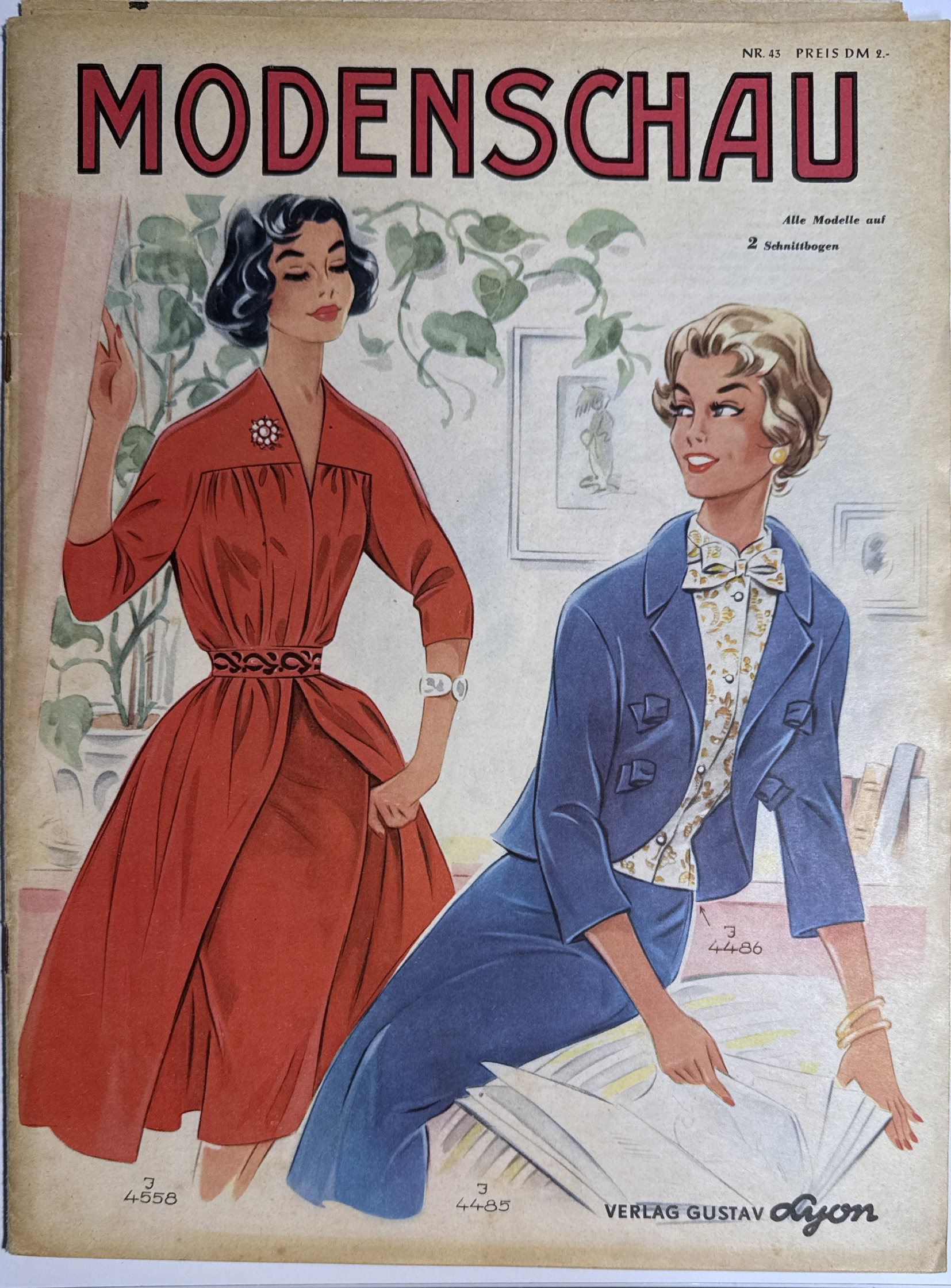
Plate 5 · Berlin Salon Tradition & Post-War Licensed Continuation
MODENSCHAU — Heft Nr. 45
“Alle Modelle auf 2 Schnittbogen” · Verlag Gustav Lyon, Berlin (ca. 1955–1956)
Nr. 16= ca. 1951 andNr. 34= 1954).1 · Overview for General Readers
A Century of Berlin Elegance: The Rise, Tragedy, and Post-War Afterlife of Verlag Gustav Lyon
Whereas Effi Schnitte and Favorit (Plates 1, 2, 4) represent the post-war West German newcomer that grew into Burda Moden, MODENSCHAU from the Verlag Gustav Lyon represents the grand old tradition of Berlin fashion journalism. Founded in Berlin in 1842 (and active as a fashion periodical publisher from 1865), Gustav Lyon was for decades one of the world’s most international fashion houses, operating branch offices in fourteen cities from Paris, Vienna, London, and New York to Milan, Amsterdam, Stockholm, Cairo, and São Paulo.
Even in the mid-1950s—operating under a post-war license in East Berlin before being closed and merged into Leipzig’s state-owned Verlag für die Frau in 1963—Modenschau retained its unmistakable visual signature: a hand-painted salon illustration rather than a snapshot photograph, a premium cover price of DM 2.—, and an interior setting adorned with framed sketches, indoor ivy, and a pattern book on a salon table.
2 · Diplomatic Cover Transcription
Inscriptions, Pattern Numbers & Publisher Imprint on Plate 5
2 Schnittbogen Garment Pattern Callouts on Illustration (Left to Right) [Left standing model, beside red skirt:] J 4558
[Right seated model, beside royal-blue skirt:] J 4485
[Right seated model, arrow pointing to royal-blue jacket:] 3 4486 Bottom Right Publisher Imprint VERLAG GUSTAV Lyon
3 · Dating & Post-War Issue Sequence
Calibrating Post-War Issue
Nr. 45to ca. 1955–1956Before World War II, Modenschau had reached three-digit issue numbers (for example,
Nr. 162in 1926, held in the Deutsches Historisches Museum Berlin, Inv. DG 90/2440; andNr. 217–218in January–February 1931). When the Verlag Gustav Lyon received a new publishing license in East Berlin around 1947, it restarted its issue numbering fromNr. 1:Modenschau Heft 16(24 pages, 23.5 × 31.5 cm, Verlag Gustav Lyon, Berlin) is documented to ca. 1951.Modenschau Nr. 34(with pattern sheet, Verlag Gustav Lyon, Berlin) carries the explicit publication year 1954.Nr. 45: With 18 issues published between ca. 1951 (Nr. 16) and 1954 (Nr. 34)—corresponding to roughly 6 issues per year (bi-monthly/seasonal rhythm)—IssueNr. 45(eleven issues after 1954’sNr. 34) falls squarely into 1955–1956.This mid-1950s date is independently corroborated by the fashion silhouette on the cover: the sleek chin-length curled bob, gold hoop earrings, three-quarter sleeves, wide cinch belt, and high-waisted full skirt are classic hallmarks of 1955–1956 continental fashion.
4 · Historical Background & Institutional Fate
From Louis Joseph’s International House to the 1963 Liquidation
1842–1943: Cosmopolitan Berlin and Persecution
Established in 1842 and entered into the Berlin commercial register as a publishing and printing house in 1900, Gustav Lyon (Kunstanstalt für Mode-Reklame, Modejournalismus, Modebilder, Schnittmuster) published more than twenty fashion and needlework titles (including Modenschau, Wiener Chic, Moderne Toiletten, Mode der eleganten Frau, and Le Goût Parisien). In the Weimar Republic, the firm was owned by the Viennese-born Jewish publisher Louis Joseph (born 1880 in Wronki; murdered in 1942 in Amsterdam/Holocaust), while editorial operations from 1926 to 1943 were directed by Emil Ferdinand Malkowsky. Notably, Anna P. Wedekind-Pariselle, who later became chief fashion editor of postwar East Berlin’s Berlins Modenblatt (1945–1962, circulation 50,000), had trained at Gustav Lyon’s Modenschau before the war.
1947–1963: Post-War License in East Berlin and Absorption into Leipzig
Around 1947, Verlag Gustav Lyon obtained a Soviet-sector license in Berlin and resumed publishing Modenschau and Lyon cut patterns (Lyon-Schnittmuster). For sixteen years it occupied a unique niche: alongside state-founded GDR titles, it supplied dressmakers and private customers with a distinctly bourgeois, West-facing salon aesthetic at DM 2.— per copy. In 1963, as part of the GDR’s final centralization of private/licensed publishing houses in Berlin, Verlag Gustav Lyon was closed and absorbed into the state-owned Verlag für die Frau in Leipzig (publisher of Plate 3, Guter Rat).
5 · Fashion Design & Garment Analysis
Mid-1950s Salon Tailoring: Models
J 4558,J 4485, and3 4486J 4558Left Standing Model (Crimson Afternoon/Cocktail Dress): Features a plunging V-neckline accented by a large white sculpted floral brooch on the right shoulder, three-quarter sleeves with a wide white cuff bracelet, a tightly cinched waist held by a wide black belt with white scrollwork, and a voluminous box-pleated red skirt.
3 4486·J 4485Right Seated Model (Royal-Blue Two-Piece Tailored Suit): Combines a fitted royal-blue jacket (
3 4486) detailed with four self-fabric bow appliqués along the lapels and three-quarter sleeves over a white-and-gold paisley pussy-bow blouse, paired with a slim-hipped royal-blue skirt (J 4485), gold hoop earrings, and stacked gold bangles.Visual Self-Reference: Notice that the seated woman is pointing her finger at an open fashion pattern portfolio on the table while consulting with the standing woman—depicting the very act of selecting a dress design in a Berlin Maßsalon or domestic sewing room.